Meat Products
Meat Products
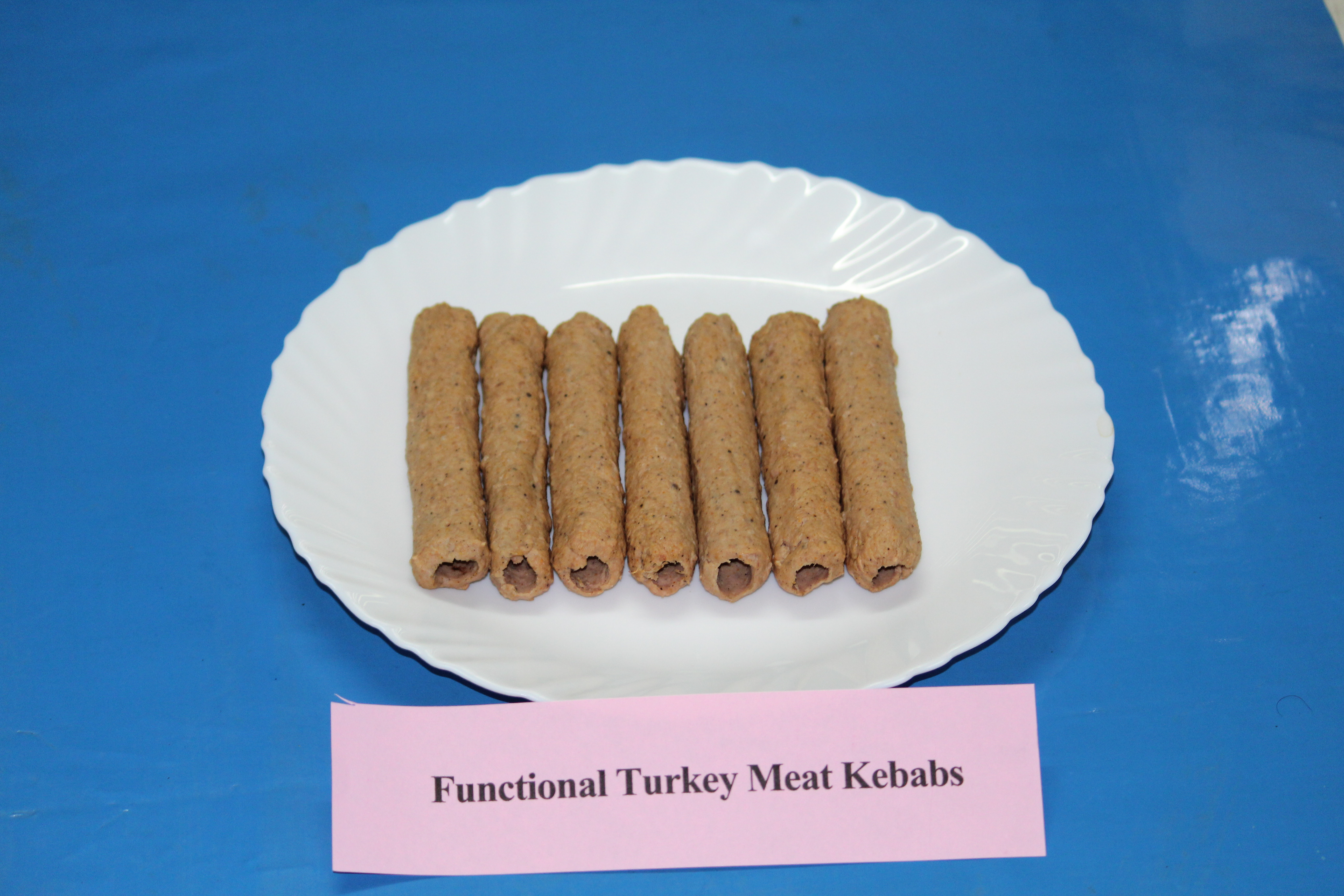
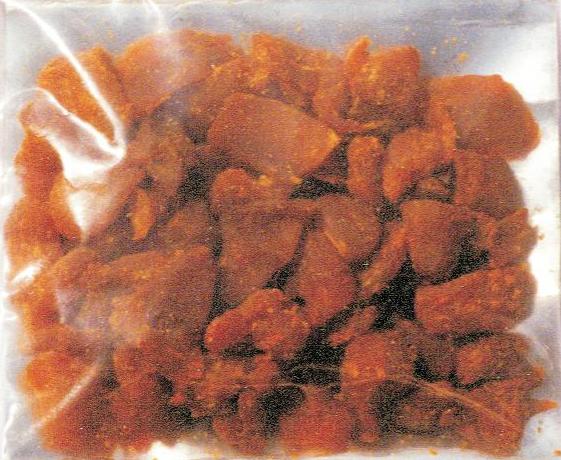
An optimum infusion solution and processing technology for the preparation of intermediate moisture chicken meat (IMCM) for storage at room temperature has been standardized. Infusion solution recipe included humectants like common salt, glycerol and cane sugar, trisodium citrate, STPP and sodium benzoate. The process standardized for manufacturing IMCM consisted of a combination of humectants and hurdle technology viz. dipping of dressed chicken in 2% lactic acid dip for 2 min, dicing of meat into chunks, soak equilibration for 12 h in infusion solution and turmeric-garlic paste application prior to 4 h of oven drying (80±2°C). The finished product packaged in flexible-HDPE pouches has a shelf-life of 2 months at mean room temperature (24°C).
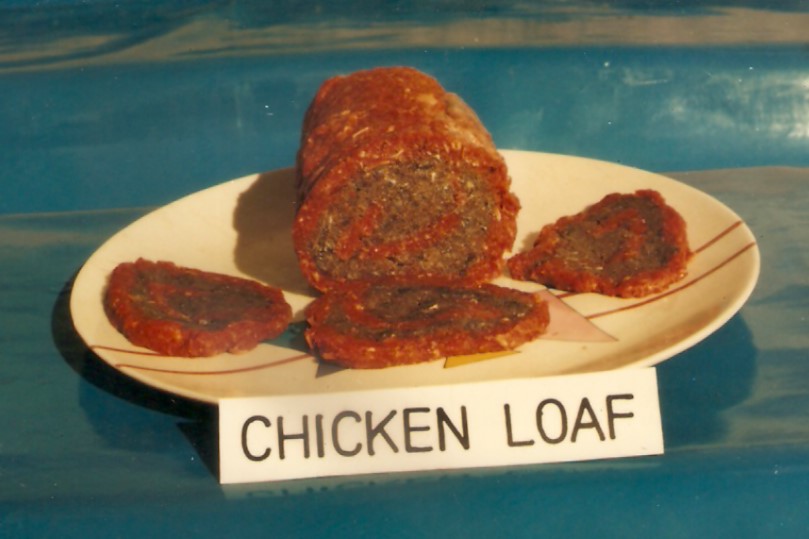
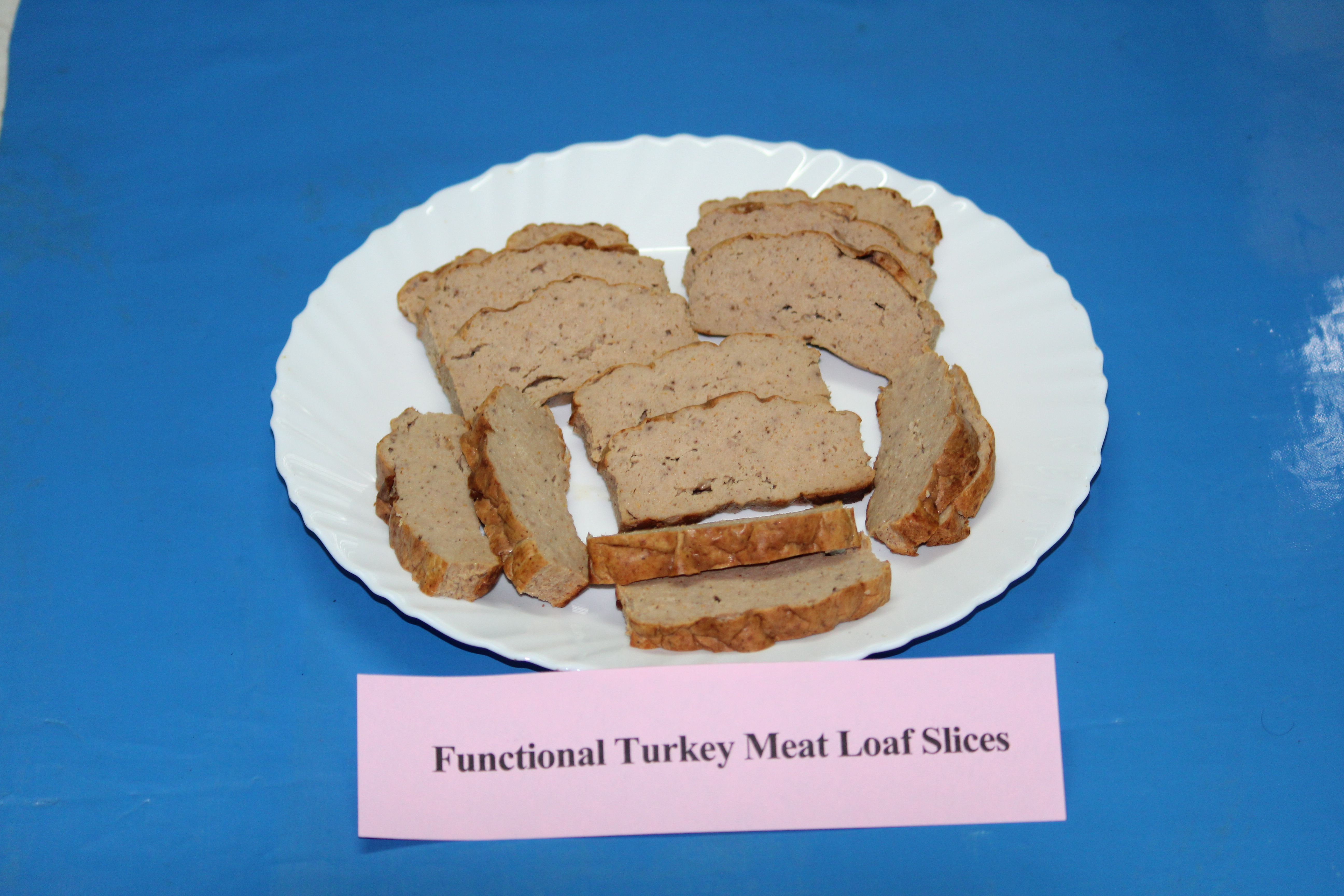
Mixed chicken loaf made with dark meat from Kadakanath and broiler meat provided good appearance as well as flavour of indigenous fowl meat to the product. Experiments revealed that loaf prepared by replacement of meat with pulse as a binder and incorporation of 5% hydrogenated vegetable fat was rated good by the sensory evaluation panels. On evaluation of physico-chemical, microbial and organoleptic properties, it was found that the product could be safely stored up to 5 months at freezing temperature (–10°C ).
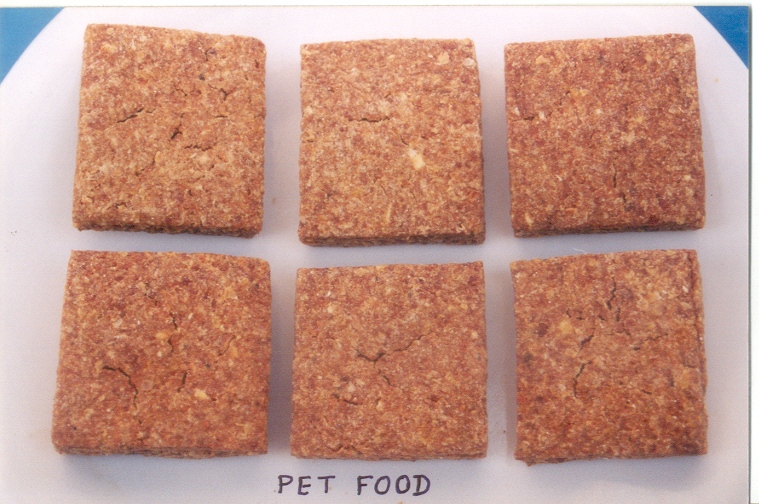
A simple, cost-effective and efficient process for the conversion of poultry offals into nutritious and highly palatable food for pet dogs has been developed. The process, in brief, consisted of autoclaving of freshly collected and cleaned inedible chicken offals (excluding feathers) plus 2 giblets (heart, gizzard and liver) at 1 kg/cm pressure for 30 min. and 10 min. for blood, mincing the autoclaved material and blood coagulum in 5 mm sheath mincer, oven drying (70°C, 16 h), grinding, sieving, addition of 0.02% BHA as antioxidant, packaging in LDPE (300 G) pouches to prepare poultry by-product meal (PBPM). This PBPM at 15% level could be mixed with leaker egg liquid (20%), bakery waste (20%), maize flour (24%), wheat flour (10%), defa ed soy flour (5%), soybean oil (5%), common salt (1%) and permi ed food additives (0.02% BHA), 0.5% STP, 0.2% citric acid, 0.05% vitamin and mineral mixture to prepare dough of thick consistency. Forced oven drying (100±1°C, 8 h) of about 1.5 cm thick dough spread in stainless steel trays yielded finished rectangular shaped pet biscuits rich in nutrients. The finished product contained about 95% dry ma er, 23.7% crude protein, 18% fat, 52% nitrogen-free extract, 4.8% ash, 0.77% calcium, 0.70% phosphorus, 0.82% lysine, 0.51% methionine and 4.2 kcal/g ME. Feeding 100 g of this pet food to adult pet dogs would contribute to 50 to 60% of daily maintenance requirements for ME, CP, Ca, P available lysine and methionine of pet dogs. The cost of this pet food worked out to be Rs 15/kg. Technology for preparing semi-moist intermediate moisture pet food, using humectants, has also been developed for young pups.
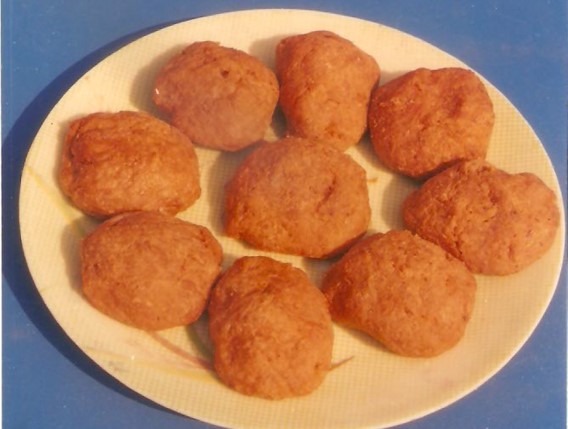
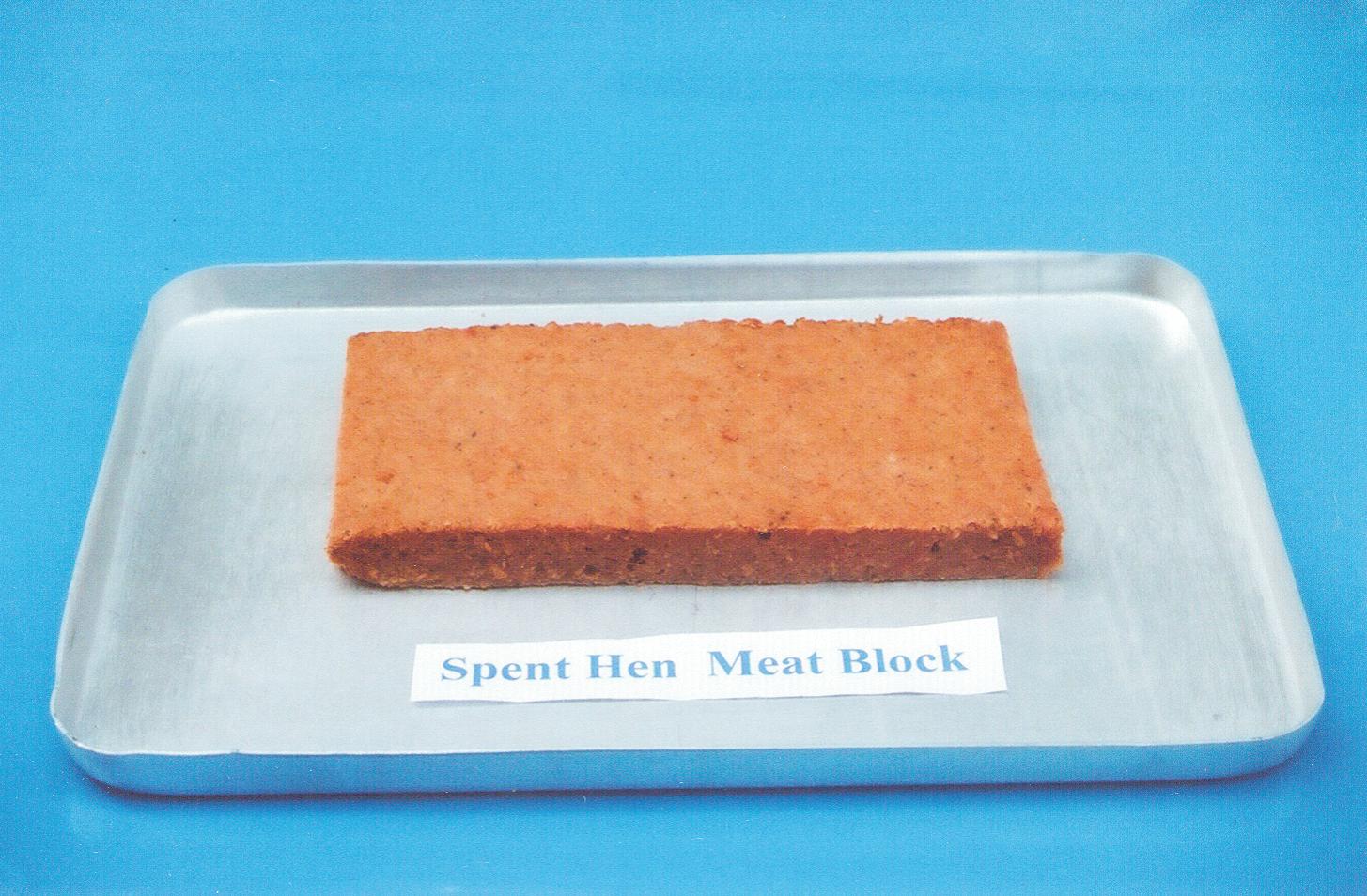
In order to explore an avenue for the disposal of less preferred spent (culled) hens, a by-product of layer industry, processing technique for preparing comminuted spent hen meat block was standardized. The optimum formulation consisted of 60% minced spent hen meat, 15% skin, gizzard and heart in natural proportion in combination with binders/extenders, edible oil, seasonings and 0.5% polyphosphate. Mild acidulation (0.4% lactic acid) of the meat emulsion appeared benecial in lowering its pH without imparting perceptible sourness in the product. This treatment resulted in extending the refrigerated (5±1°C) shelf-life of the product up to 15 days as against 10 days for that devoid of added organic acid.

.png)