Layer
Layer
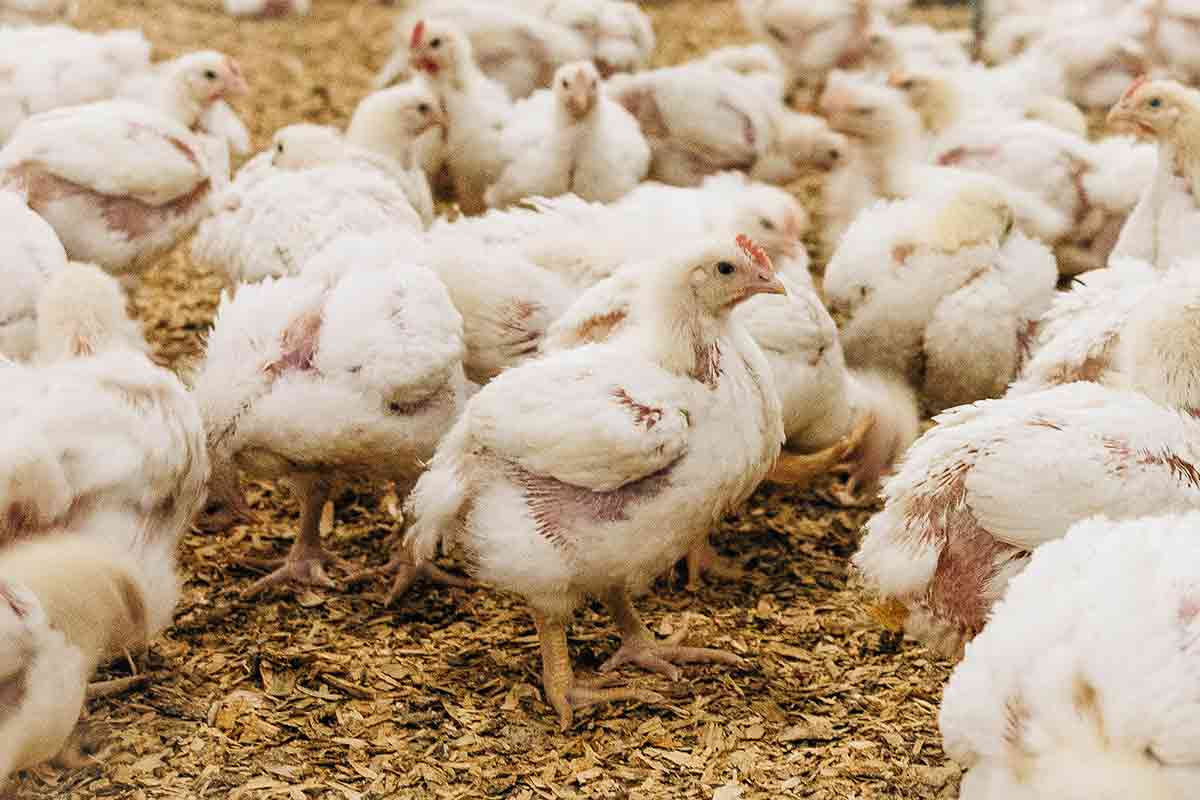
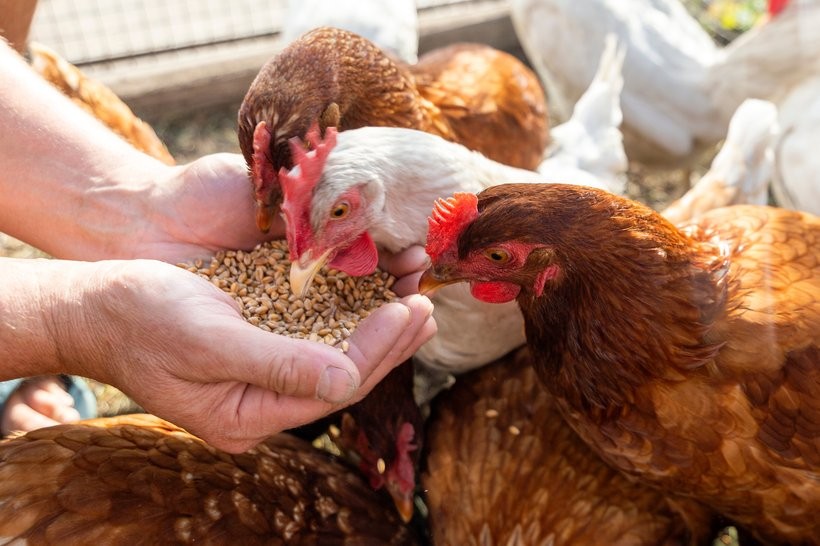
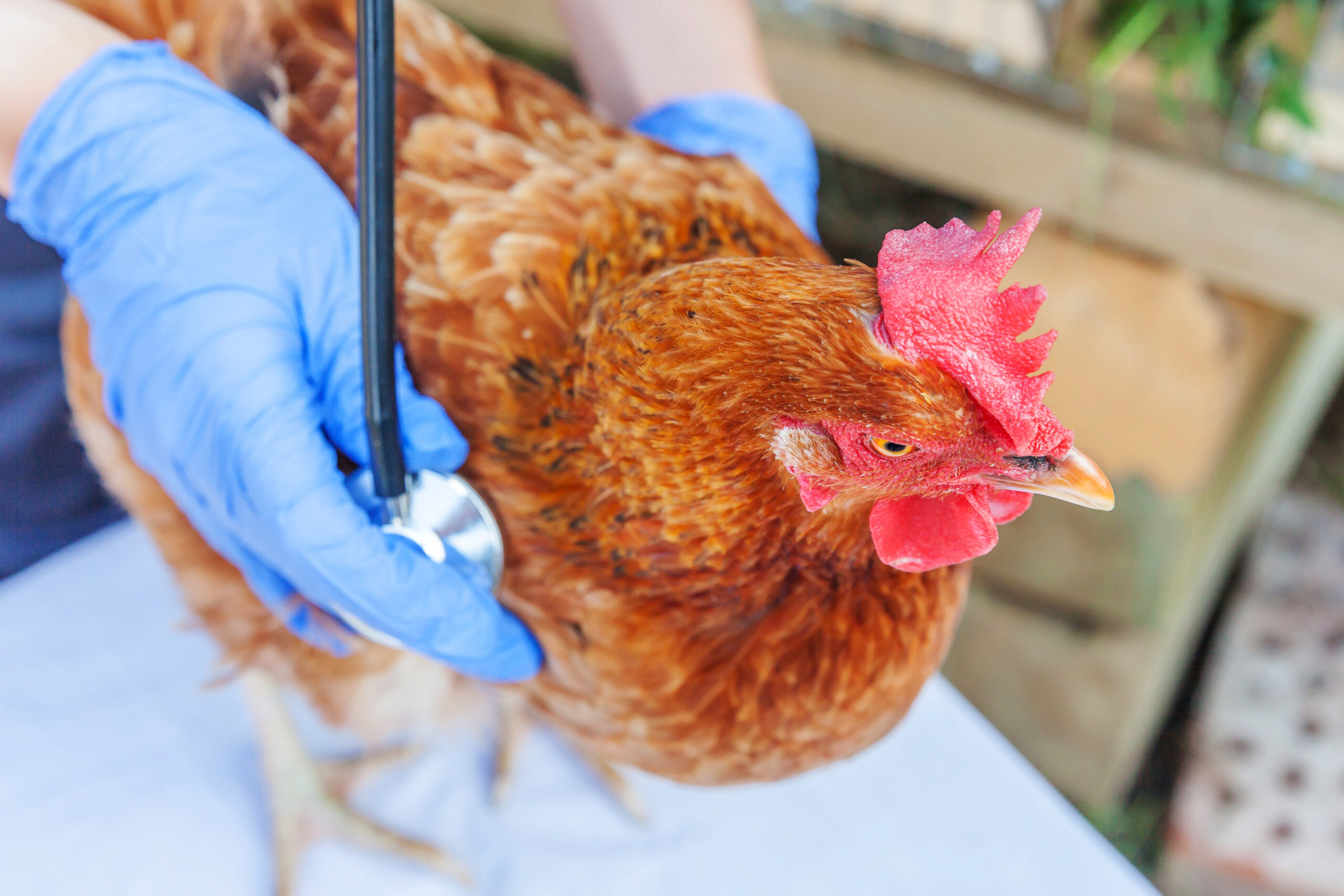
Layer poultry farming means raising egg laying poultry birds for the purpose of commercial egg production. Layer chickens are such a special species of hens, which need to be raised from when they are one day old. They start laying eggs commercially from 18-19 weeks of age. India has emerged on the world map as the 3rd largest egg producer (75 billion eggs) and annual growth rate in egg production approximated 6% per year (BAHS 2015). The current strength of layers in India is estimated to be 214 million (livestock census 2012) and the annual percapita availability of eggs has increased from 7 eggs in 1961 to 61 eggs in 2014. However, the present availability is far below the ICMR recommendation of 180 eggs per capita per annum.
CARI DEBENDERA
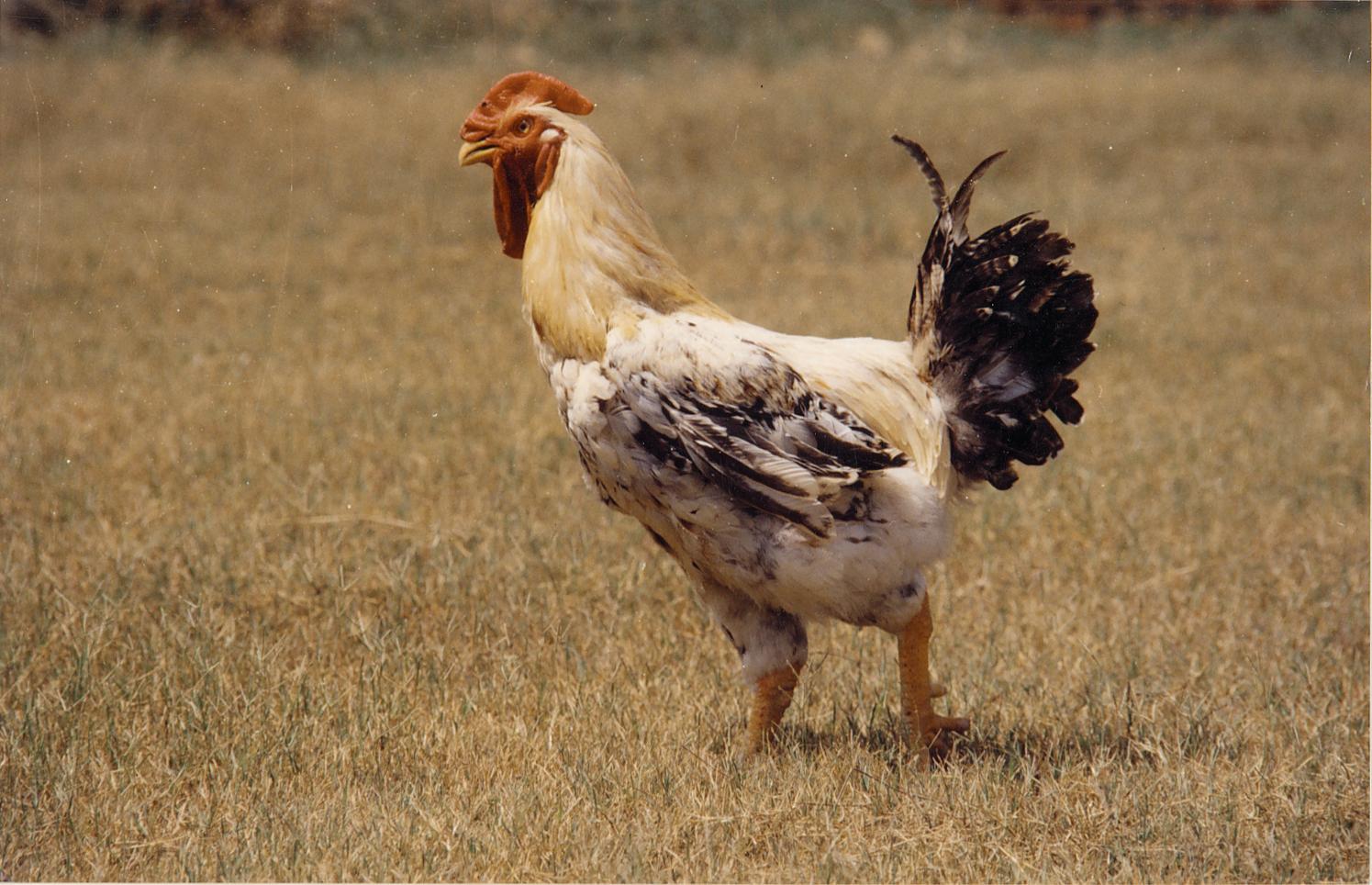
CARl Debendra is a medium-sized dual-purpose bird, produced by crossing coloured synthetic broiler line as male line and Rhode Island Red as female line. It is the most suitable bird for the Indian consumers due to its attractive bright plumage colour. The bird achieves moderate body weight at eight weeks of age with economic feed conversion ratio. The meat has lower carcass and abdominal fat than broiler meat, which makes it a consumer's delight. CARl Debendra is also a suitable bird for rural poultry because of its better survivability and moderate egg production ability.
| Production Characteristics | |
| Body weight at 8 weeks | 1100-1200 g |
| Body weight at 10 weeks | 1400 to 1500 g |
| Body weight at 12 weeks | 1700 to 1800 g |
| Feed conversion ratio (0-8 week) | 2.5-2.6 |
| Age at sexual maturity | 155 - 160 days |
| Egg production | 190-200 |
| Annual egg production | 97% |
| Livability (Growing) | 94% |
Special Features:
Efficient feed conversion High positive return over feed cost
Superiority over other stocks
Low laying house mortality
CARI PRIYA
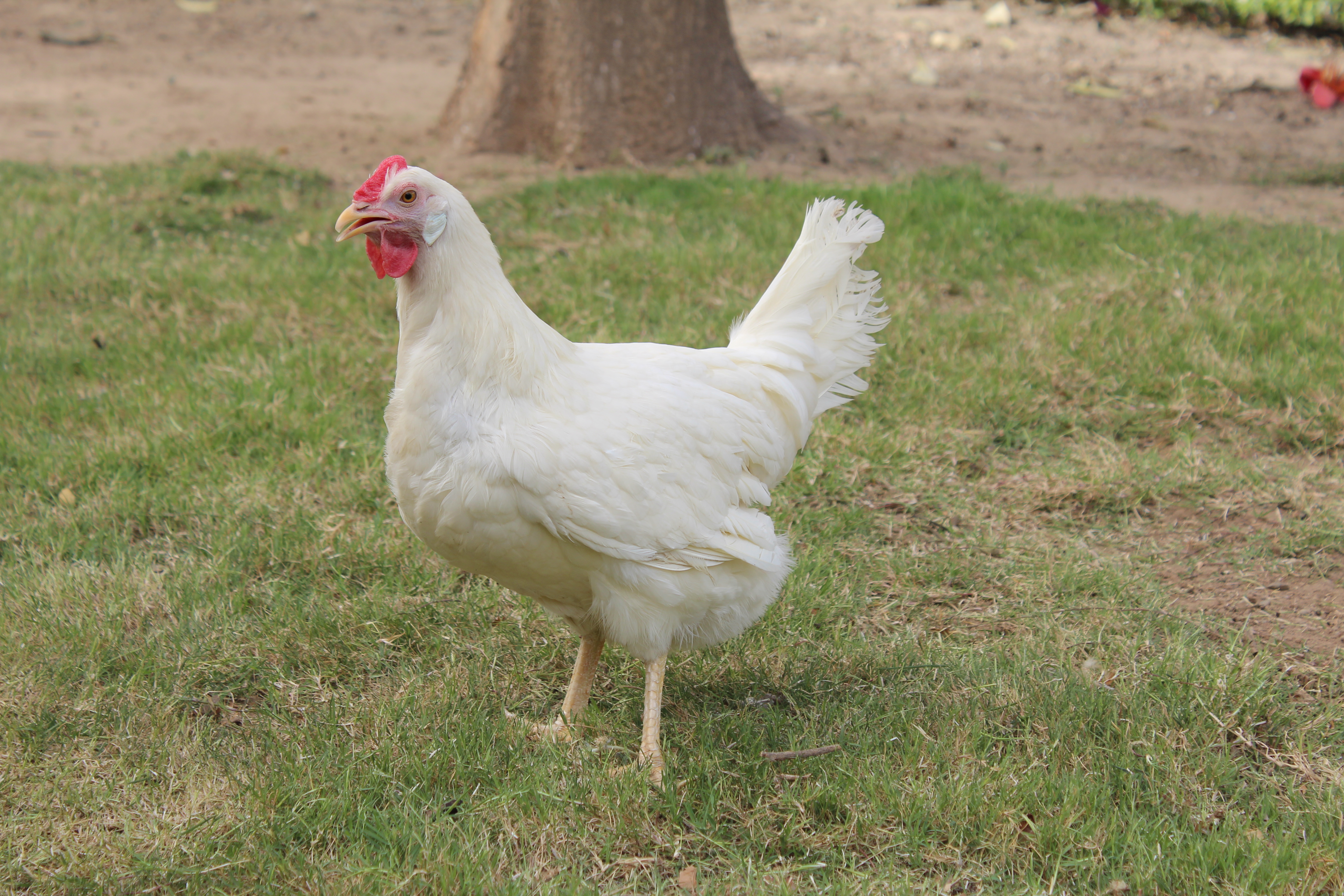
Breeders of egg type chicken are primarily concerned with the development of quality layers in terms of high egg production, feed efficiency, livability and low chick cost. CARl Priya, earlier known as ILI-80, is one such commercial white egg layer. CARl Priya was developed by crossing superior male and female strains of White Leghorn.
| Production Characteristics | ||
| Maturity | First egg 50% production Peak production | 17 to 18 weeks 150 days 26 to 28 weeks |
| Livability | Growing Laying | 96% 94% |
| Egg production | Peak Hen housed to 72 weeks Hen day to 72 weeks | 92% More than 298 eggs More than 301 eggs |
| Feed consumption | Per dozen of eggs Per kg of egg mass | 1.77 kg 2.57 kg |
| Egg size | Average egg weight | 57 g |
| Egg quality | Internal | Excellent internal quality |
| Temperament | Easy to handle, performs well under a variety of management system | |
Special Features:
Efficient feed conversion Superiority over other stocks
High positive return over feed cost
Low laying house mortality
CARI SONALI
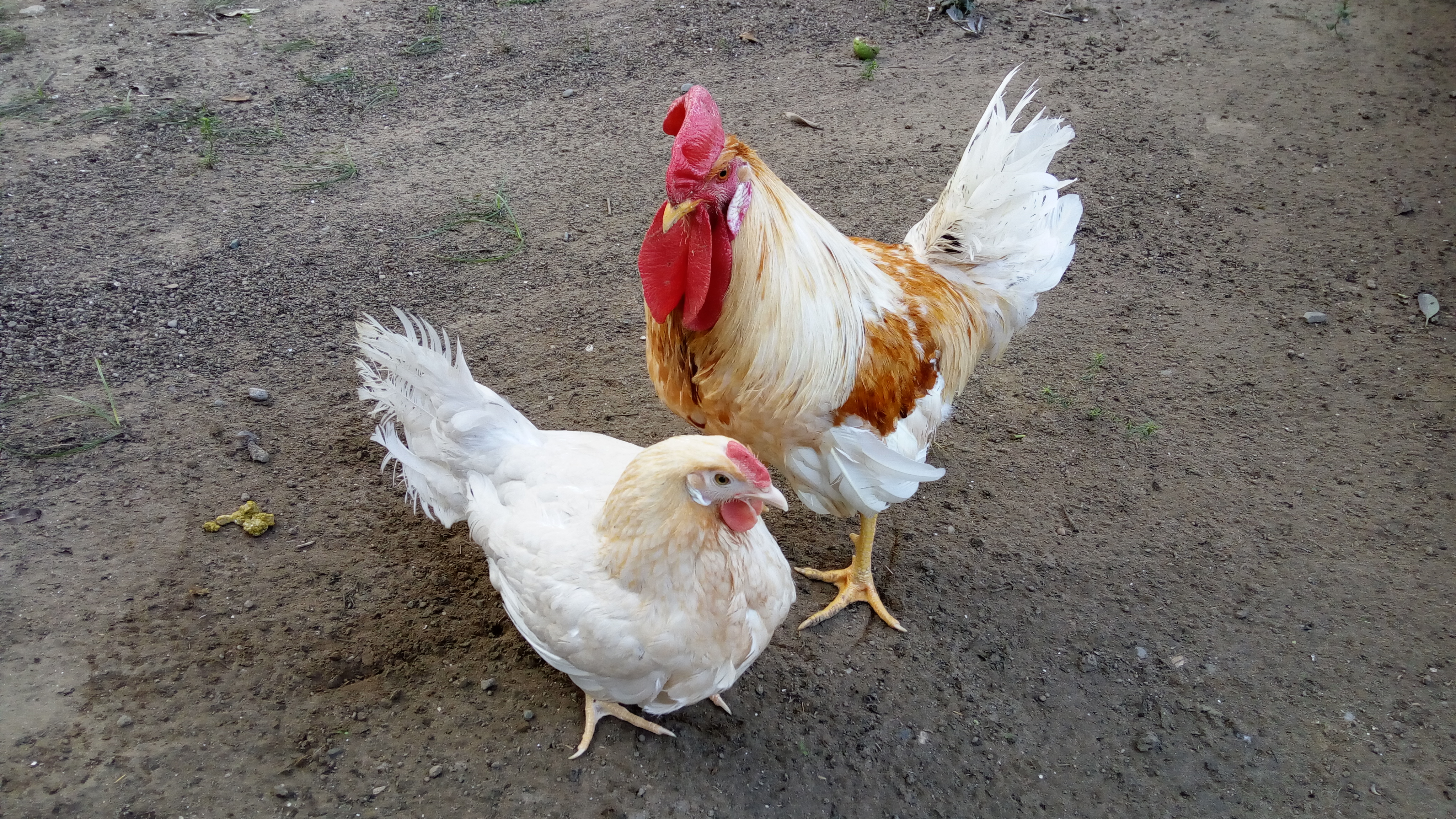
To cater to the needs and high demand of the consumers, this golden brown egger was developed and released for its commercial exploitation in the year 1992 using White Leghorn as male line and Rhole Island Red as female line.
| Production Characteristics | ||
| Maturity | First egg 50% production Peak production | 18 to 19 weeks 155 days 27 to 29 weeks |
| Livability | Growing Laying | 96% 94% |
| Egg production | Peak Hen housed to 72 weeks Hen day to 72 weeks | 90% More than 280 eggs More than 283 eggs |
| Feed consumption | Per dozen of eggs Per kg of egg mass | 2.3 kg 2.8 kg |
| Egg size | Average egg weight | 54 g |
| Egg quality | Internal | Excellent internal quality |
| Temperament | Easy to handle, performs well under a variety of management system | |
Special Features:
Lays brown eggs Efficient feed conversion
High egg production

.png)